
Post-Renaissance Romanticism
author: sun flower
2024-04-07
The Romantic school of painting took affirmation and praise of people's spiritual values and the struggle for individual emancipation and human rights as its ideological principles. In painting, he advocates the depiction of personality and characteristics and the expression of emotions. The composition is rich in variety, the color contrast is strong, and the brushstrokes are unrestrained and smooth, so that the picture has a strong emotional color and exciting artistic charm. The art of French Romanticism arose in the twenties and thirties of the nineteenth century. It was a time of corruption, chaos and regression. The Romantic art that emerged in this era had the courage to call for a revolutionary storm from the beginning.

The German philosopher Hegel said in aesthetics that the object of Romanticism is "the free concrete life of the mind". Fundamentally, the emergence of Romanticism in the nineteenth century demanded the emancipation of individuality and the freedom of the mind, and the classical art of the feudal regime and the academy also made them feel that they had to get rid of the spiritual pressure. The Romantics' emphasis on color is consistent with their emphasis on emotion. Use color to shape the body.
Romantic painting techniques:
(1) Romanticism pursues the feeling of large-scale color effects, and sometimes even tries to leave the brushstrokes on the picture in such an unrestrained expression, it can be said that the composition on the picture, like multi-dynamic dynamic expression, is one of the characteristics of Romanticism.
(2) Romanticism is based on the pursuit of freedom, equality, fraternity and the emancipation of individuality. The pursuit of fantasy beauty, pay attention to the transmission of feelings, like the expression of passionate and unrestrained temperament. Romantic art confronted stillness with dynamism and excessive objectivity with intense subjectivity. In terms of subject matter, Romanticism mostly describes unique characters, exotic moods, tragedies of life, abnormal events, and often looks for creative themes from some literary works.
(3) Enthusiasm is the element of Romantic art, and the content of Romanticism is the subject matter of current affairs, first of all, the passion that pervades painting, which is the most lacking character of classical art that follows the old law and leads to indifference from "reason". Composition, light, color, and people's dynamic expressions all express the artist's rich imagination, but what is valuable is that his romantic imagination is based on an in-depth understanding of reality, and the unrestrained passion it shows is combined with a positive ideal of life, so it can penetrate into the hearts of the people and has a strong artistic power.
Representative paintings: 《The Raft of the Medusa》、《Dante's Ferry》、《The Massacre of Chia》、《Liberty Leading the People》, Among them, Theodor Ricco's (1791~1824) 《The Raft of the Medusa"》is considered to be a manifesto of the art of Romantic painting.
Post-Renaissance realism
Symbolist painter: Arnold Böcklin
Related Article

"Baroque" is an art style that flourished in Europe between 1600 and 1750. It arose in Italy during the Counter-Reformation, developed in most parts of Europe where Catholicism was practiced, and later spread to Latin American and Asian countries as Catholicism spread. As an art style that had a profound influence on time and space, the rise of Baroque was closely related to the religion of the time.
Do you know what great changes have taken place in Baroque art since the Renaissance?
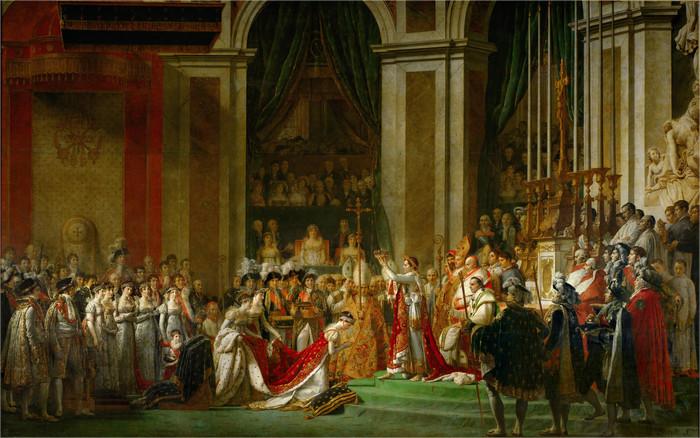
Classicism is the expression of the classicism popular in Europe in the 18th century, and they were dissatisfied with the extravagant Rococo art that served the aristocracy, and sought new themes from classical Greek and Roman art.
The development of the Classicist school
Realism, as an artistic movement, emerged at the same time as the French Revolution of 1848. The painter Courbet and the theorist Jean Fleury were its spiritual leaders.
Post-Renaissance realism
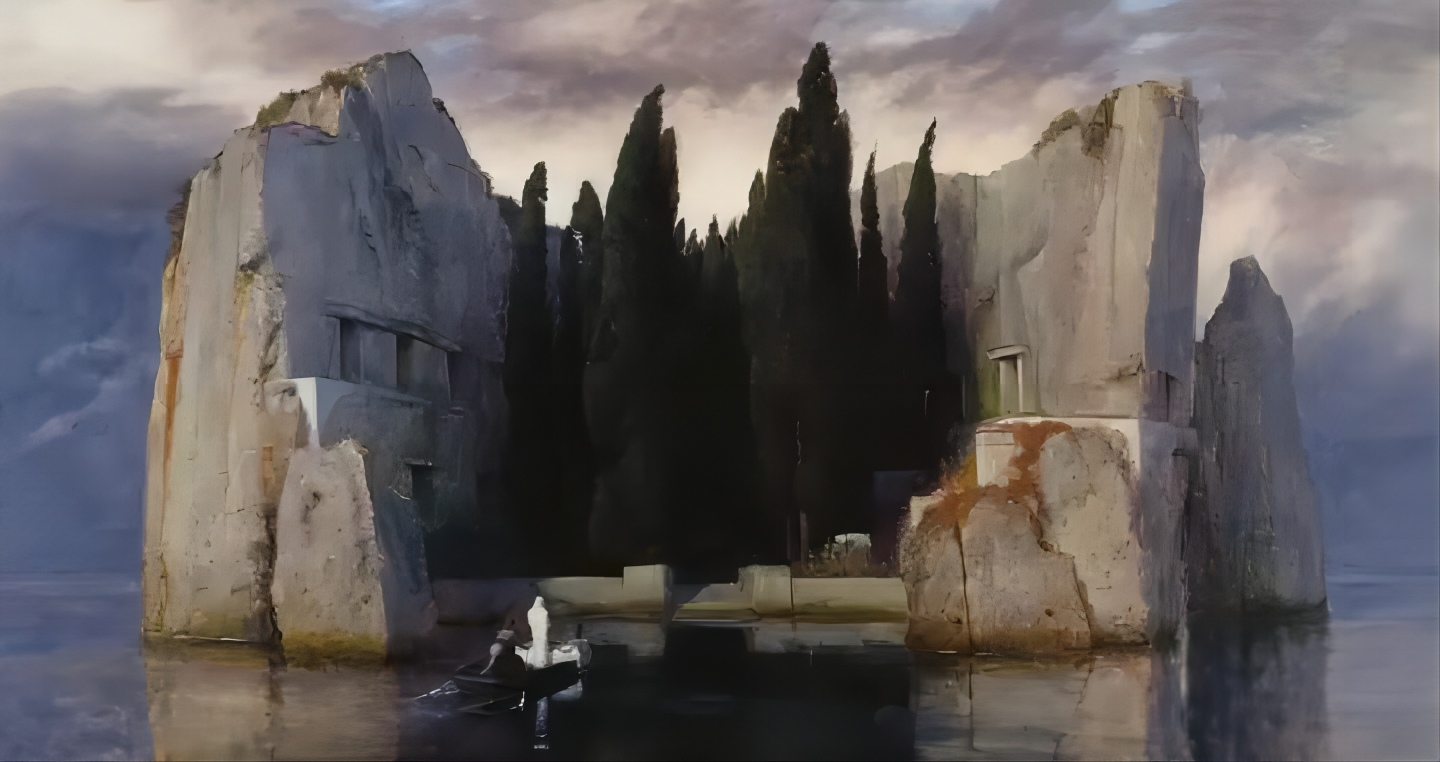
Arnold Bocklin, born in Basel to a merchant family, traveled in Europe and was influenced by Italian art, Roman classical art inspired many of his later important works, and the frescoes of Naples and Pompeii had a profound influence on his technique and style.
Symbolist painter: Arnold Böcklin