
Post-Renaissance realism
author: sun flower
2024-04-09
Realism, as an artistic movement, emerged at the same time as the French Revolution of 1848. The painter Courbet and the theorist Jean Fleury were its spiritual leaders. Realism is resolutely the expression of the style, ideas and outlook of the painter's time, and sincerity is crucial. "Realism" can also refer to artistic realism in Western language. Therefore, "realism" can also be called "realism". One of the basic creative methods of literature and art advocates objective observation of real life, according to the original appearance of real life, the true representation of typical images in typical environments, and the reproduction of life, so as to promote the progress of history.
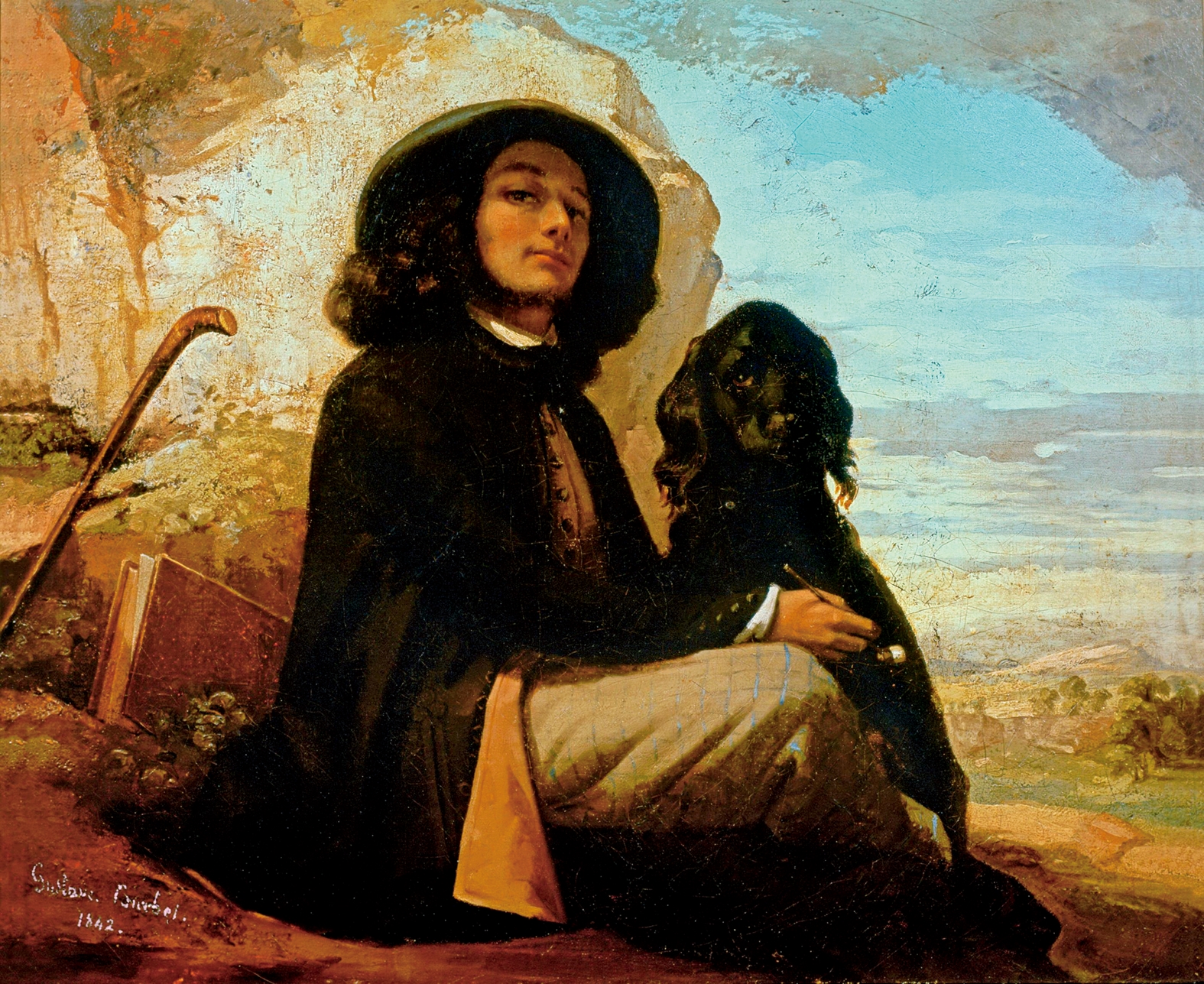
Representative figures:
1. Courbet ( June 10, 1819 – December 31, 1877 ).
Courbet studied at the Royal Academy of Persançon in his early years. In November 1840, he went to Paris to study law, but failed the university examination to study art [8]. In 1844, he rose to prominence with "Self-Portrait with a Black Dog". In 1855, he completed the painting "Studio". In 1870, he was elected president of the National Museum of France. In 1873, he went into exile in Switzerland due to political events, and later died in Tours de Pelz in Switzerland.
Main works: 《Self-Portrait with a Black Dog》、《Ornan's Funeral》、《Studio》
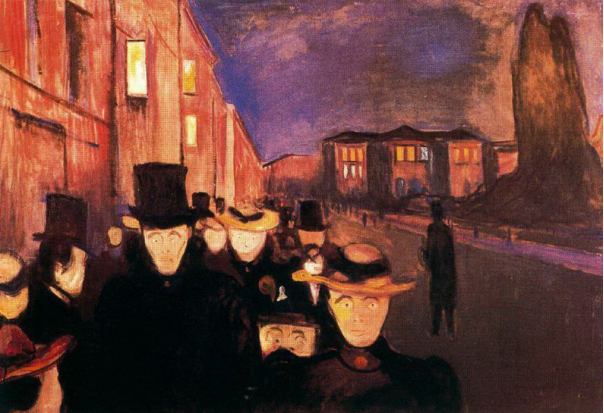
2. Edvard Munch (December 12, 1863 – January 23, 1944).
Edvard Munch was a Norwegian expressionist painter, printmaker and pioneer of modern expressionist painting. His paintings have a strong subjectivity and a sad and oppressive mood. His intense, call-out approach to psychological anguish had a major influence on the growth of German Expressionism in the early 20th century.
Main works: 《The Scream》、《The Dance of Life》、《Night on Carl John Street》.
The development of the Classicist school
Post-Renaissance Romanticism
Related Article

"Baroque" is an art style that flourished in Europe between 1600 and 1750. It arose in Italy during the Counter-Reformation, developed in most parts of Europe where Catholicism was practiced, and later spread to Latin American and Asian countries as Catholicism spread. As an art style that had a profound influence on time and space, the rise of Baroque was closely related to the religion of the time.
Do you know what great changes have taken place in Baroque art since the Renaissance?
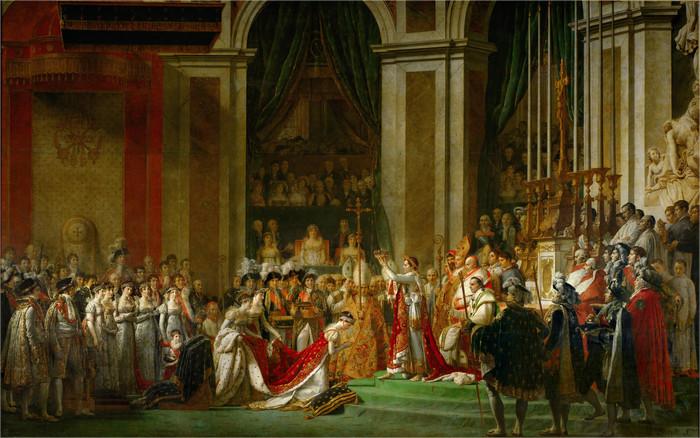
Classicism is the expression of the classicism popular in Europe in the 18th century, and they were dissatisfied with the extravagant Rococo art that served the aristocracy, and sought new themes from classical Greek and Roman art.
The development of the Classicist school
The Romantic school of painting took affirmation and praise of people's spiritual values and the struggle for individual emancipation and human rights as its ideological principles. In painting, he advocates the depiction of personality and characteristics and the expression of emotions.
Post-Renaissance Romanticism
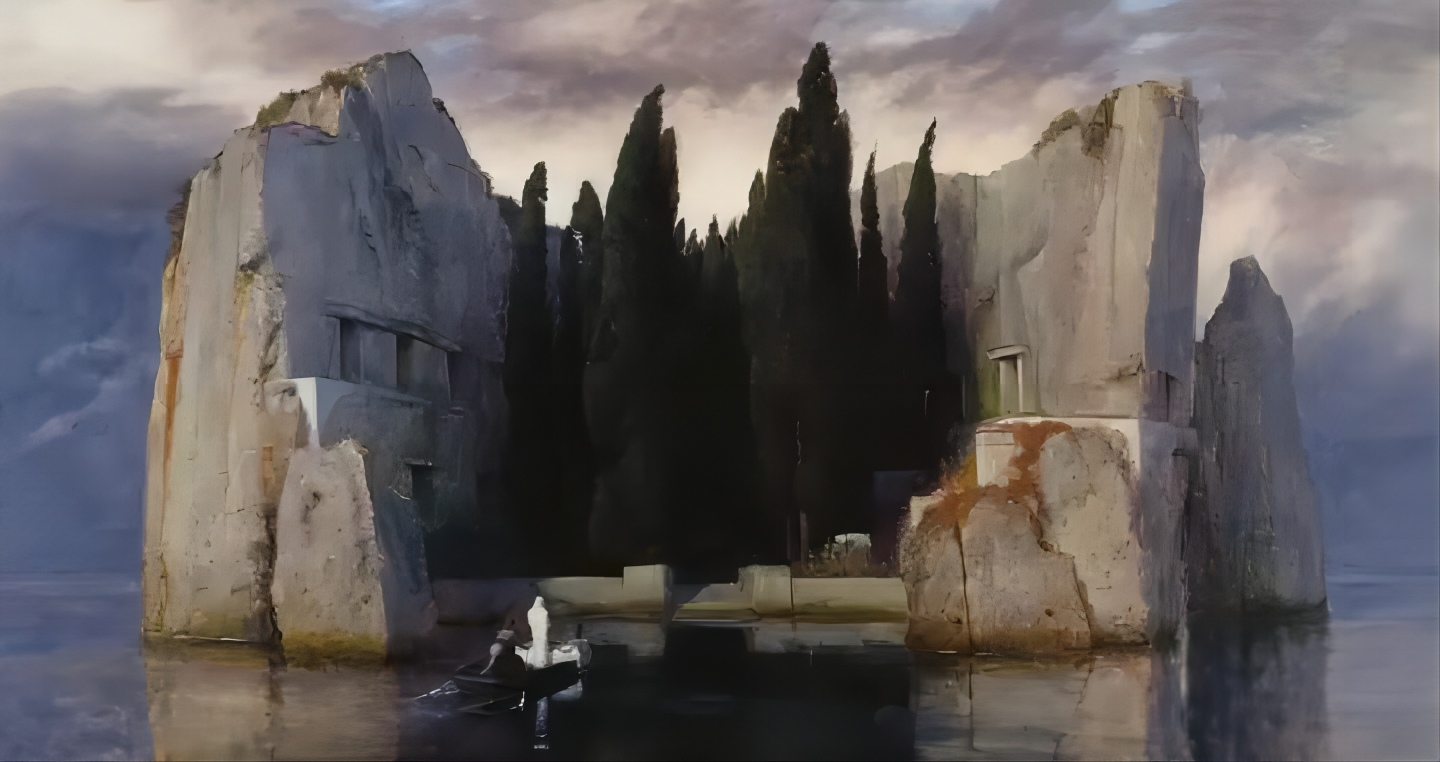
Arnold Bocklin, born in Basel to a merchant family, traveled in Europe and was influenced by Italian art, Roman classical art inspired many of his later important works, and the frescoes of Naples and Pompeii had a profound influence on his technique and style.
Symbolist painter: Arnold Böcklin