
Techniques for oil painting?
author: sun flower
2024-03-08
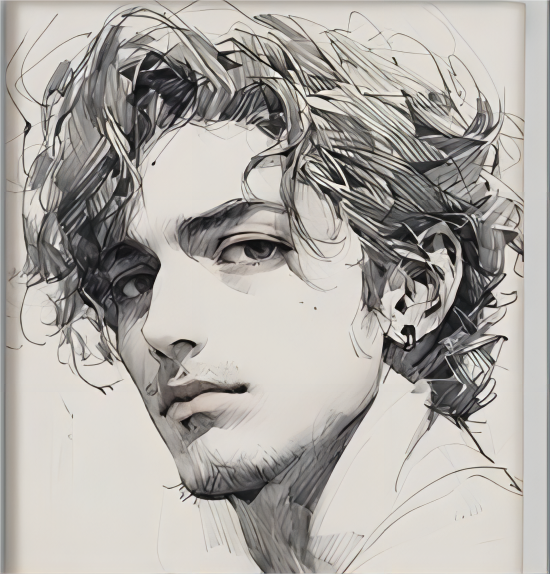
There are three most basic techniques of oil painting: the first is the Nordic Dutch School, represented by Jan van Eyck; the second is the opaque impasto painting method represented by Titian in Venice; The third is an eclectic painting method represented by the Flemish painter Rubens, which integrates the transparent thin painting of the dark part and the opaque thick painting of the bright part. Although painters from the 17th century onwards had their own styles and unique techniques, they did not deviate from these three basic traditional oil painting techniques.
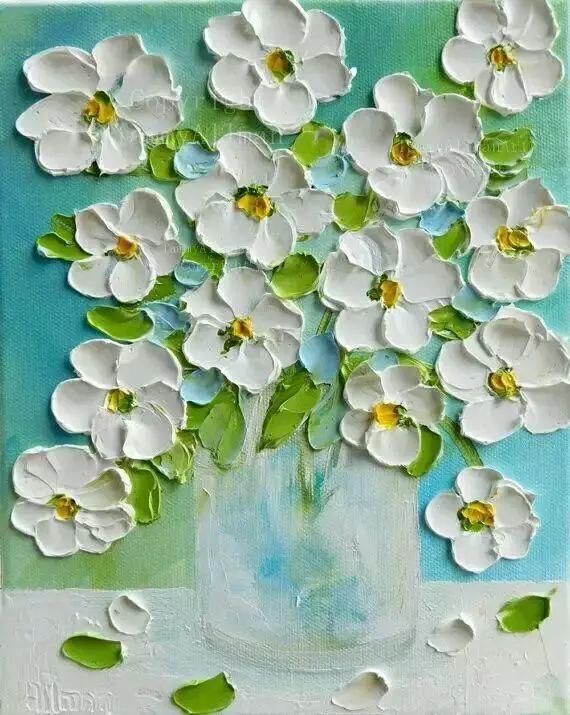
1. Transparent painting method This is the oldest painting technique, by overdyeing the color, so that the two colors are visually harmonized to produce a third color, and the resulting color is usually darker and has a jewel-like luster. Transparent painting is divided into three categories:
(1) Transparent color reproduction This method is achieved by multi-level depiction of pigments diluted by toning oil without adding white, which is suitable for expressing the texture and thickness of the object, but the color gamut is narrow, the production process is meticulous, and it takes a long time to complete the work.
(2) Thin bottom transparent cover color on a gray-brown background with dark brown or silver gray to draw a stricter plain oil painting, after drying the cover with transparent color, transparent color should not be too much white, otherwise it will affect the transparency. Therefore, the plain oil painting of the base painting will generally increase the brightness in advance to lay the foundation for multi-layer overlay.
(3) Thick background transparent overlayThis method is mostly used in classical oil painting, which is generally achieved by covering transparent colors on the smooth surface and uneven surface of the base painting.
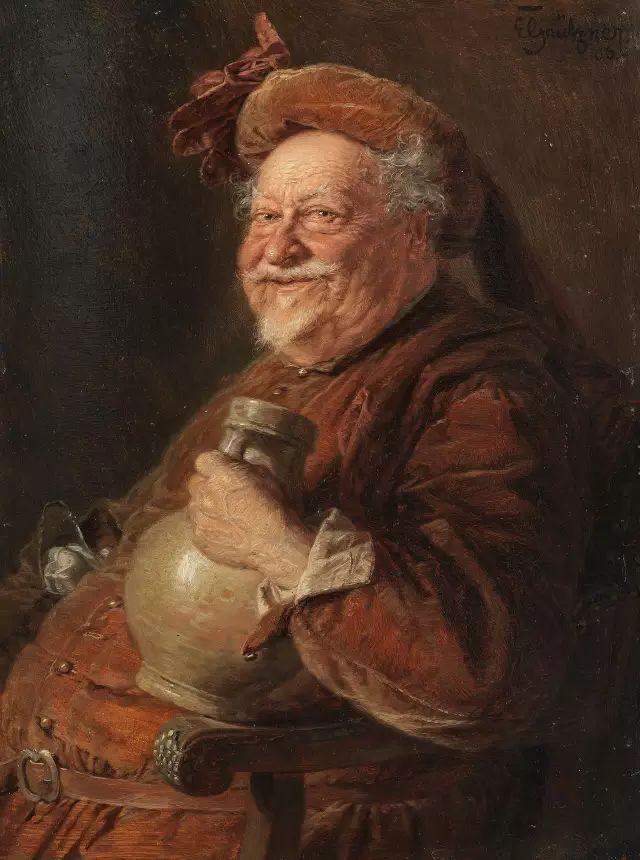
2. Layered painting method first uses monochrome to draw the shape of the body, and then multi-level color shaping, the dark part of the painting is a little thinner, and the bright part is thickly painted or covered or flowed to form a color block contrast, and the difference in thickness will lead to richer colors of texture and rhyme, which is also commonly known as multi-level coloring method.
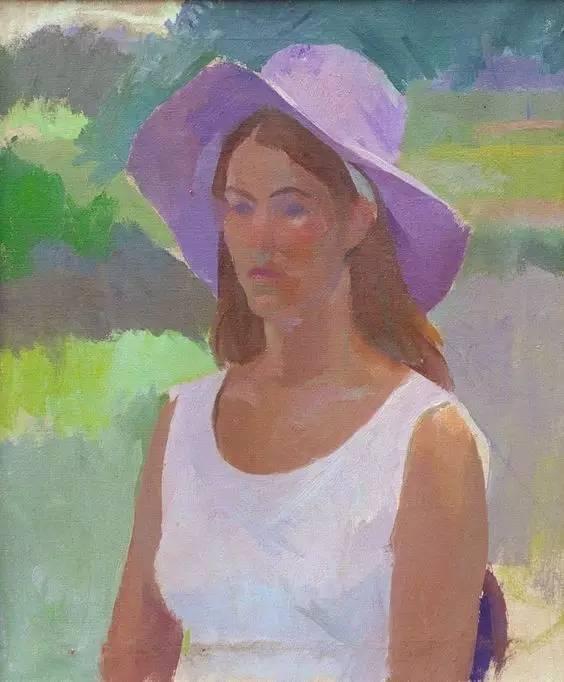
3. The direct drawing method is also known as the direct coloring method. Draw the outline of the body on the canvas first, and then directly lay the color according to the color perception of the object, usually painted in one go, scrape off the incorrect position with a painting knife, and then continue to color and adjust. This type of painting generally has strict requirements for the painting method.
As an artistic language, oil painting includes color, light and shade, line, texture, brushstroke, texture, light, space, composition and other modeling factors, the role of oil painting techniques is to reflect the various modeling factors comprehensively or focus on a single item, common oil painting techniques are: transparent painting, hierarchical painting, direct painting, modern painting.
Source: Painted Slave Art Space
The difference between acrylic paint and gouache paint?
Where did the painting come from?
Related Article

"Baroque" is an art style that flourished in Europe between 1600 and 1750. It arose in Italy during the Counter-Reformation, developed in most parts of Europe where Catholicism was practiced, and later spread to Latin American and Asian countries as Catholicism spread. As an art style that had a profound influence on time and space, the rise of Baroque was closely related to the religion of the time.
Do you know what great changes have taken place in Baroque art since the Renaissance?
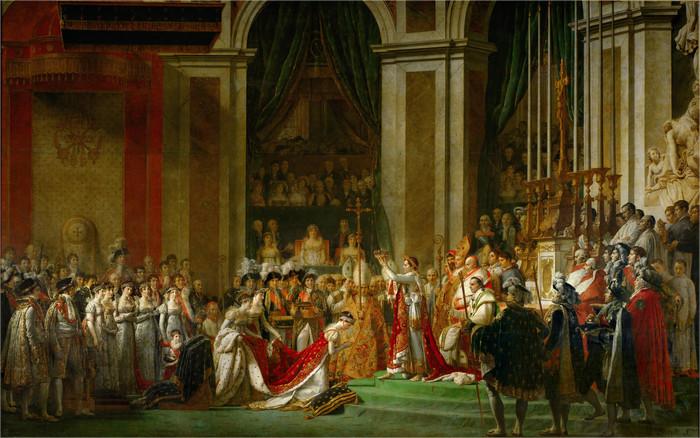
Classicism is the expression of the classicism popular in Europe in the 18th century, and they were dissatisfied with the extravagant Rococo art that served the aristocracy, and sought new themes from classical Greek and Roman art.
The development of the Classicist school
Realism, as an artistic movement, emerged at the same time as the French Revolution of 1848. The painter Courbet and the theorist Jean Fleury were its spiritual leaders.
Post-Renaissance realism
The Romantic school of painting took affirmation and praise of people's spiritual values and the struggle for individual emancipation and human rights as its ideological principles. In painting, he advocates the depiction of personality and characteristics and the expression of emotions.
Post-Renaissance Romanticism