
Where did the painting come from?
author: sun flower
2024-03-05
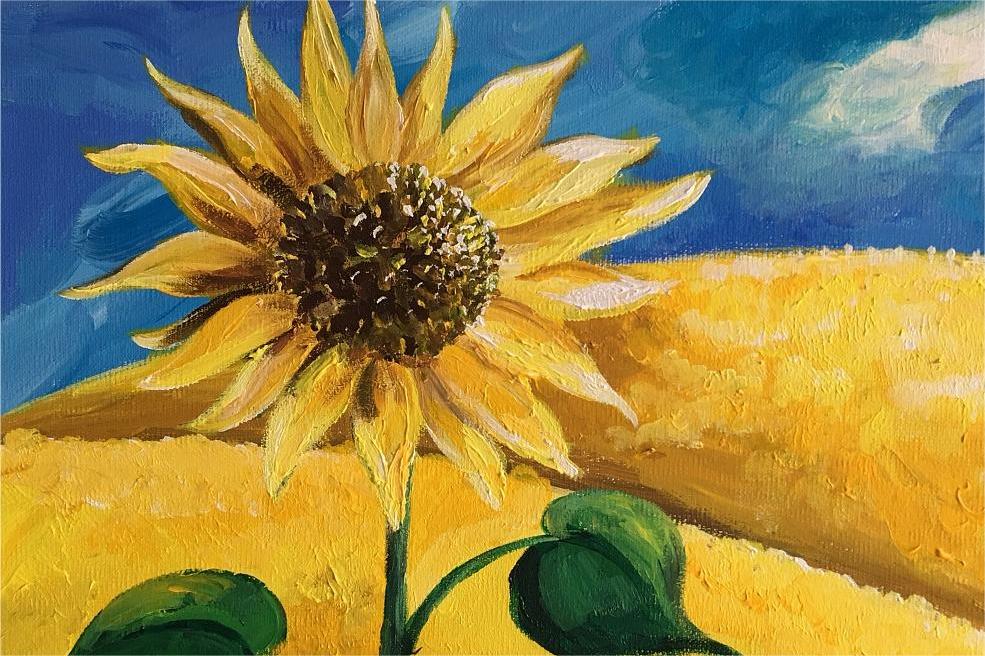
Oil painting was originally a tempera painting in European painting before the 15th century, and was later developed by the Dutch painter Jan van Eyck (1385-1441) who improved the painting materials and other materials. Modern oil painting mostly uses linseed oil to mix pigments, and paints on treated cloth or wooden boards, because oil paint does not change color after drying, and the harmony of multiple colors will not become dirty, and painters can paint rich and realistic colors. The oil paint is opaque and has a strong covering power, so it can be covered layer by layer from deep to shallow when painting, so that the painting produces a three-dimensional effect.
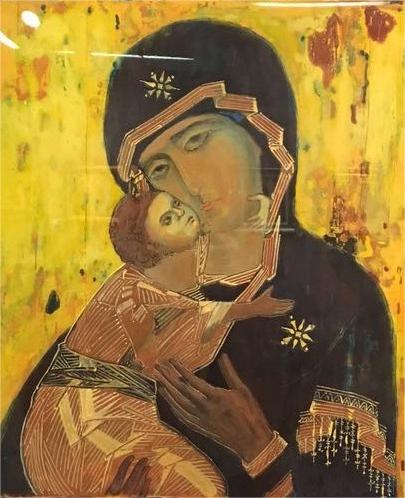
Oil painting has gone through three relatively detailed development periods before and after—classical, modern, and modern, and has gradually become the main painting method in the history of Western painting, and the surviving Western paintings are mainly oil paintings. Over time, oil paintings gradually came to life, the most famous of which was the Mona Lisa, which depicted an ordinary woman and became widely circulated. In the late 19th century, due to the development of science and technology, many new materials were used in the field of oil painting, such as acrylic paint, paint, etc.
During the Renaissance, oil painting developed like never before. Great artists such as Leonardo da Vinci, Raphael, Michelangelo and others created many classic works through oil painting techniques, showing excellent realism and artistic expression. Their works had a profound influence on later artists, driving the further development of oil painting techniques.

Subsequently, the arrival of the Baroque period brought more expressive forms to oil painting. The Baroque style emphasizes the effect of light and shadow and dramatic composition, and the artists use chiaroscuro and dynamic gestures to create works full of majestic momentum and emotional expression. During the Age of Enlightenment in the 18th century, oil painting developed further in Europe. Artists pursue authentic and objective expression, focusing on the shaping of human images and the transmission of emotions. At the same time, the rise of Impressionism brought revolutionary changes to oil painting, and artists began to focus on capturing the instantaneous changes of light, shadow and color, breaking the traditional rules of painting and creating a new way of artistic expression.

In the modern art of the 20th century, the development of oil painting entered a stage of diversification. Expressionism, Cubism, Abstract Expressionism and other art genres emerged one after another, and artists tried more experiments and innovations in oil painting. Through the use of pigments, the expression of brushstrokes, and the innovation of form, they break the traditional concepts and limitations, and create works full of personality and creativity.
With the continuous expansion of artistic concepts, oil painting materials have been combined with other materials, resulting in a comprehensive art that does not belong to a specific type of painting, and oil painting has also lost its status as the main type of painting in the West.
Techniques for oil painting?
Do you know what are the characteristics of oil paintings of figures?
Related Article

"Baroque" is an art style that flourished in Europe between 1600 and 1750. It arose in Italy during the Counter-Reformation, developed in most parts of Europe where Catholicism was practiced, and later spread to Latin American and Asian countries as Catholicism spread. As an art style that had a profound influence on time and space, the rise of Baroque was closely related to the religion of the time.
Do you know what great changes have taken place in Baroque art since the Renaissance?
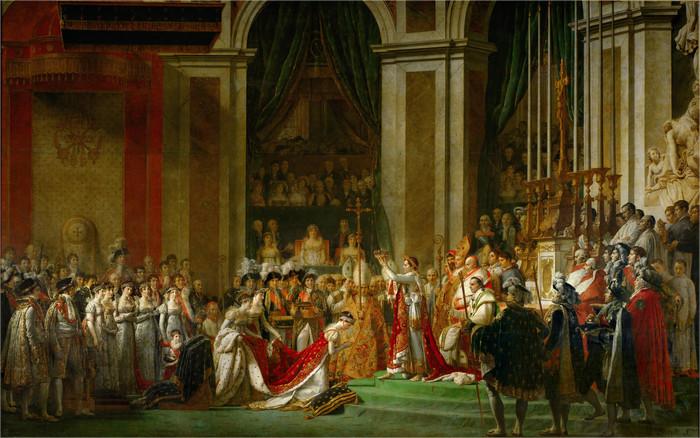
Classicism is the expression of the classicism popular in Europe in the 18th century, and they were dissatisfied with the extravagant Rococo art that served the aristocracy, and sought new themes from classical Greek and Roman art.
The development of the Classicist school
Realism, as an artistic movement, emerged at the same time as the French Revolution of 1848. The painter Courbet and the theorist Jean Fleury were its spiritual leaders.
Post-Renaissance realism
The Romantic school of painting took affirmation and praise of people's spiritual values and the struggle for individual emancipation and human rights as its ideological principles. In painting, he advocates the depiction of personality and characteristics and the expression of emotions.
Post-Renaissance Romanticism