
What is the difference between oil painting and watercolor painting?
author: sun flower
2024-02-20
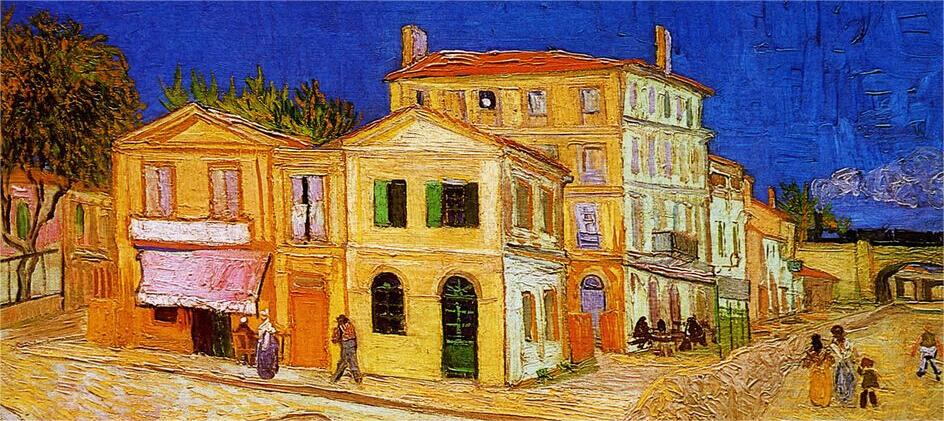
What is the difference between oil painting and watercolor painting?
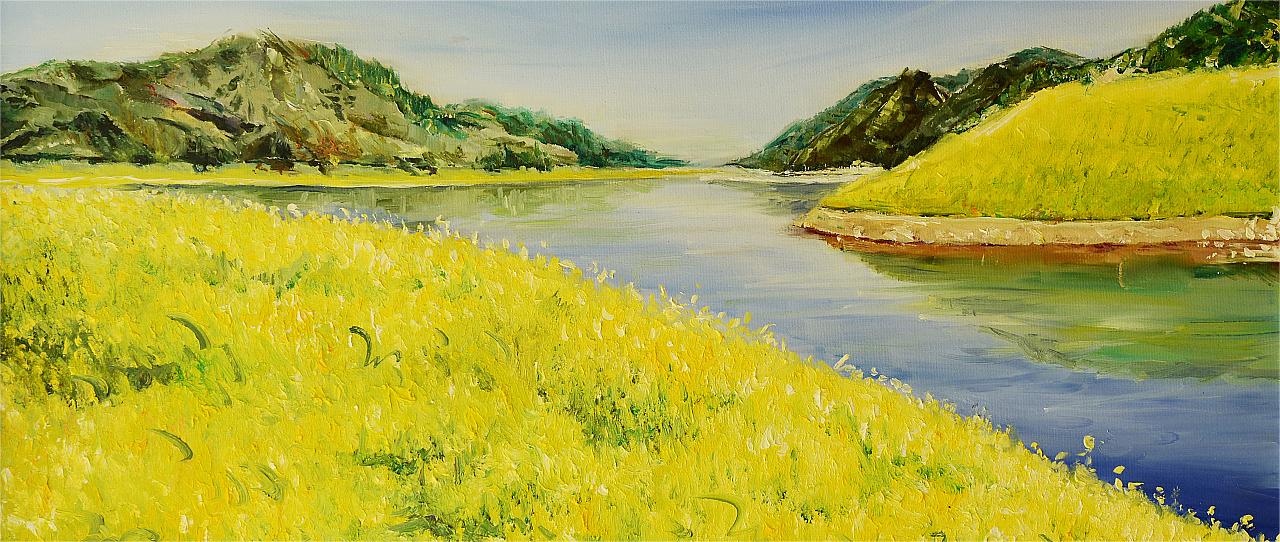
The main differences between watercolor painting and oil painting are the texture and characteristics of the pigment itself, the effect of the finished picture, and the needs of the paper.
First, the texture and characteristics of the pigment itself are different:
1. Oil paint: It is to mix the pigment with fast-drying vegetable oil (linseed oil, poppy oil, walnut oil, etc.), and the thinner used in painting is volatile turpentine and dry linseed oil. Oil paints are characterized by using oil as a medium, so they are not easy to dry, and after drying, they will maintain the thickness and gloss of the pigment layer, and the brush touch is extremely strong.
2. Watercolor pigments: watercolor is based on water as the medium, very smooth and transparent, when the colors overlap, the following colors will pass through, the coloring is darker, the tone is ancient, and it is not easy to change color for long-term storage.
1. Oil paint: It is to mix the pigment with fast-drying vegetable oil (linseed oil, poppy oil, walnut oil, etc.), and the thinner used in painting is volatile turpentine and dry linseed oil. Oil paints are characterized by using oil as a medium, so they are not easy to dry, and after drying, they will maintain the thickness and gloss of the pigment layer, and the brush touch is extremely strong.
2. Watercolor pigments: watercolor is based on water as the medium, very smooth and transparent, when the colors overlap, the following colors will pass through, the coloring is darker, the tone is ancient, and it is not easy to change color for long-term storage.
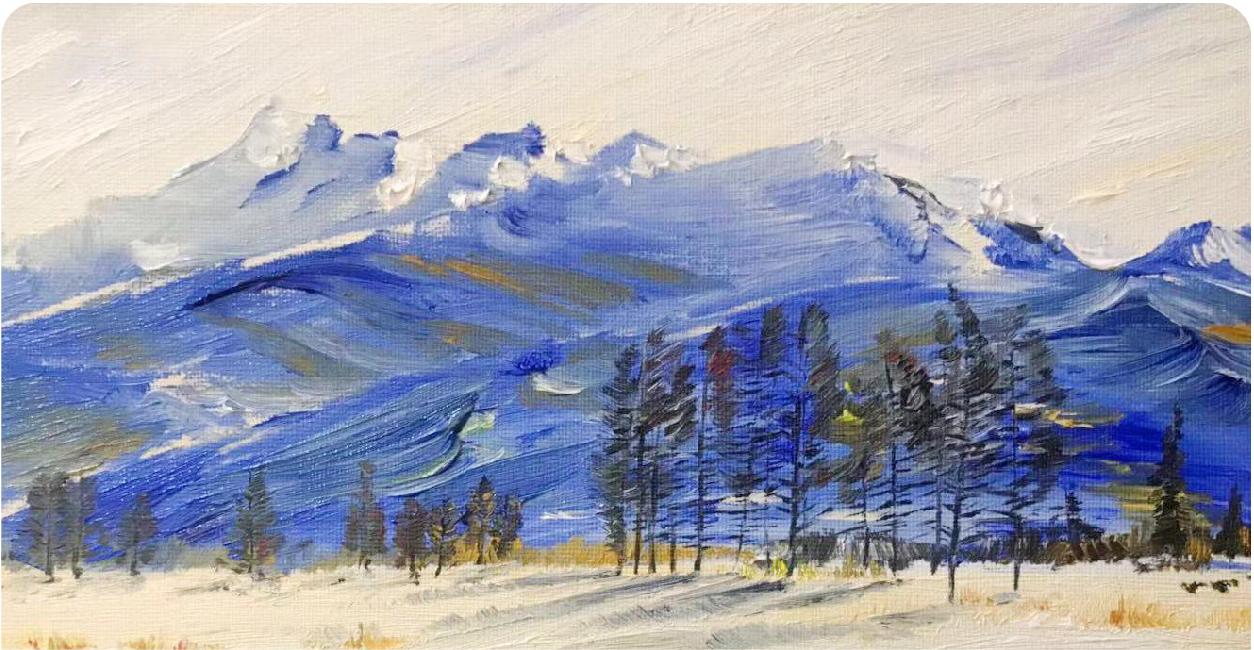
Second, the effect of the finished picture is different:
1. Oil painting: The pigment attached to the oil painting picture has a strong hardness, and when the picture is dry, it can maintain its luster for a long time. With the hiding power and transparency of the pigment, the depicted object is fully expressed, with rich colors and strong three-dimensional texture.
2. Watercolor painting: Watercolor painting pays great attention to expressive techniques. There are usually two types of painting methods: "dry painting" and "wet painting", but both have a transparent visual sense.
1. Oil painting: The pigment attached to the oil painting picture has a strong hardness, and when the picture is dry, it can maintain its luster for a long time. With the hiding power and transparency of the pigment, the depicted object is fully expressed, with rich colors and strong three-dimensional texture.
2. Watercolor painting: Watercolor painting pays great attention to expressive techniques. There are usually two types of painting methods: "dry painting" and "wet painting", but both have a transparent visual sense.

Different paper requirements:
1. Oil painting: a type of painting made on canvas linen, cardboard or wood.
2. Watercolor painting: Watercolor painting has stricter requirements for paper and has a greater impact on the picture effect, so professional watercolor paper is generally used.
1. Oil painting: a type of painting made on canvas linen, cardboard or wood.
2. Watercolor painting: Watercolor painting has stricter requirements for paper and has a greater impact on the picture effect, so professional watercolor paper is generally used.
How to choose a canvas?
Do you know what an artist's canvas is?
Related Article

"Baroque" is an art style that flourished in Europe between 1600 and 1750. It arose in Italy during the Counter-Reformation, developed in most parts of Europe where Catholicism was practiced, and later spread to Latin American and Asian countries as Catholicism spread. As an art style that had a profound influence on time and space, the rise of Baroque was closely related to the religion of the time.
Do you know what great changes have taken place in Baroque art since the Renaissance?
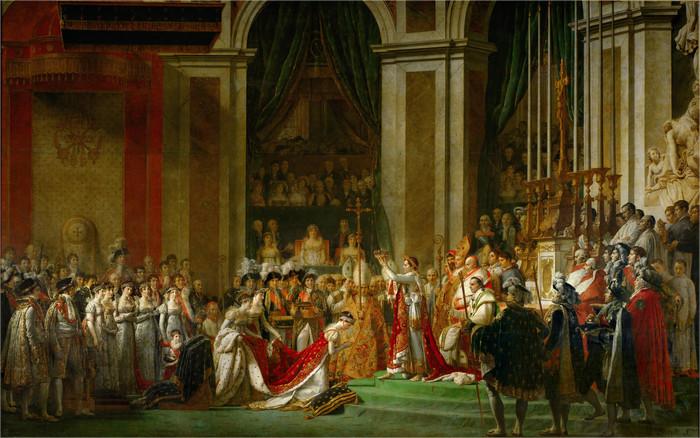
Classicism is the expression of the classicism popular in Europe in the 18th century, and they were dissatisfied with the extravagant Rococo art that served the aristocracy, and sought new themes from classical Greek and Roman art.
The development of the Classicist school
Realism, as an artistic movement, emerged at the same time as the French Revolution of 1848. The painter Courbet and the theorist Jean Fleury were its spiritual leaders.
Post-Renaissance realism
The Romantic school of painting took affirmation and praise of people's spiritual values and the struggle for individual emancipation and human rights as its ideological principles. In painting, he advocates the depiction of personality and characteristics and the expression of emotions.
Post-Renaissance Romanticism