
What are the genres of oil painting?
author: sun flower
2024-01-29
What are the genres of oil painting?
After the Renaissance, Baroque, Lock, Classicism, Academicism, Romanticism, Realism, Realism, Impressionism, etc., all of which were based on depicting nature and expressed the different emotional sustenance and critical purposes of painters.
Baroque - Baroque was popular in the 17th ~ 18th centuries. The original meaning of the word "baroque" was untidy, writhing, grotesque. Advocating the distortion of movement, the richness and volume of the form, and its artistic language is strong, exaggerated, dynamic and flashy, which is the characteristic of Baroque painting, and its representative figure is Rubens.
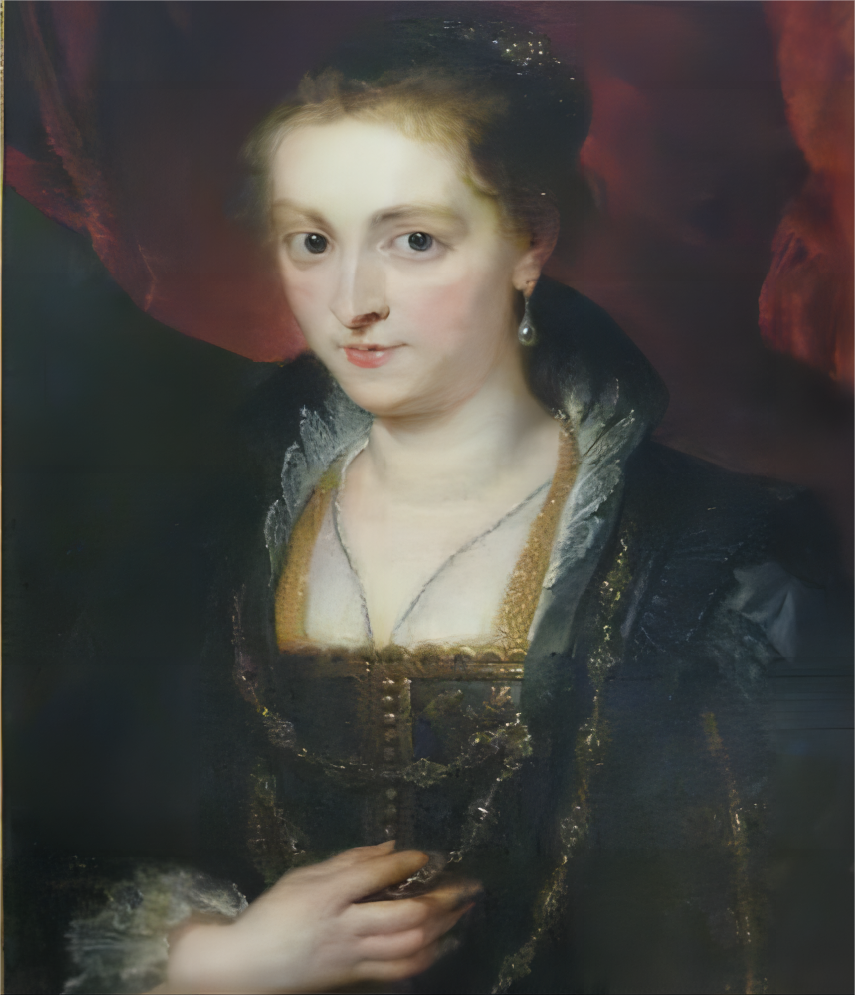
Rock School - "Lock" originally refers to the shape of a shell, with a cumbersome, delicate, delicate, sweet, artistic style, this school was popular in the 18th century, and its representative painters include Waldo and François Buu.
Classicism and Academism - Classicism is based on the aesthetic principles of respecting ancient Greece and Rome, paying attention to symmetry and balance in composition, solemn, brilliant and sublime in momentum, exquisite techniques and in-depth depiction, which is also the principle pursued by academicism. Its representative writers include Raphael, Ingres, and so on.

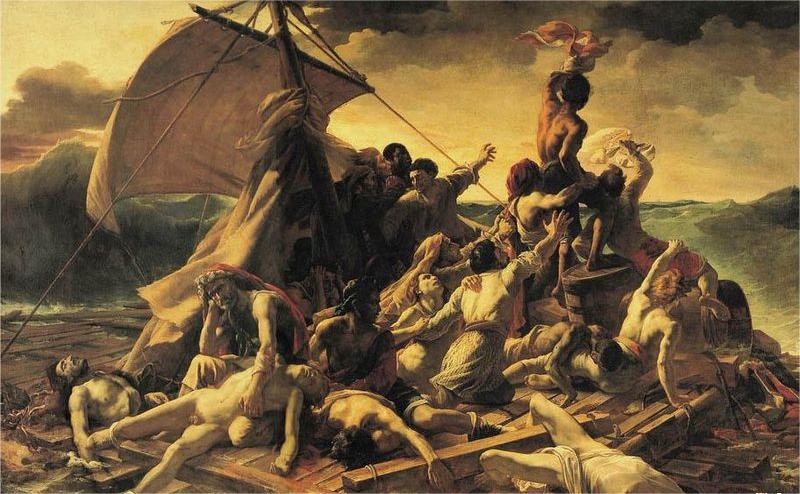
Romanticism - Romanticism originated in France in the early 19th century, and the "Raft of the Medusa" by Ricoeur is one of the important representative works of this school, the composition, light, color, movement, and expression in this work all show the artist's rich imagination, which breaks the horizontal and vertical in the composition of classicism, and the softness and uniformity of light, so that the picture produces a passion. This is also an important element of Romantic painting, which focuses on the expression and expression of feelings.
Realism - Realist painting focuses on expressing normal visual images in a way that is faithful to the object and reflects the essence of real life. Representative works include Miller's "Gleaning" and so on.
Impressionism - In the 19th century, painters were keen to explore the instantaneous changes of light and color in nature, and broke the traditional concept of inherent color, and also objectively painted the influence of the surrounding environmental color on the inherent color, which is impressionism. Monet, Seurat, Cézanne, Renoir, etc. are all representative painters of Impressionism, etc.

Throughout the history of the development of oil painting in the world, there are many genres of oil painting, and artists from different periods and cultures have integrated their own feelings into their paintings, making oil painting present a prosperous state in the history of development.
Do you know what an artist's canvas is?
Where did the painting come from?
Related Article

"Baroque" is an art style that flourished in Europe between 1600 and 1750. It arose in Italy during the Counter-Reformation, developed in most parts of Europe where Catholicism was practiced, and later spread to Latin American and Asian countries as Catholicism spread. As an art style that had a profound influence on time and space, the rise of Baroque was closely related to the religion of the time.
Do you know what great changes have taken place in Baroque art since the Renaissance?
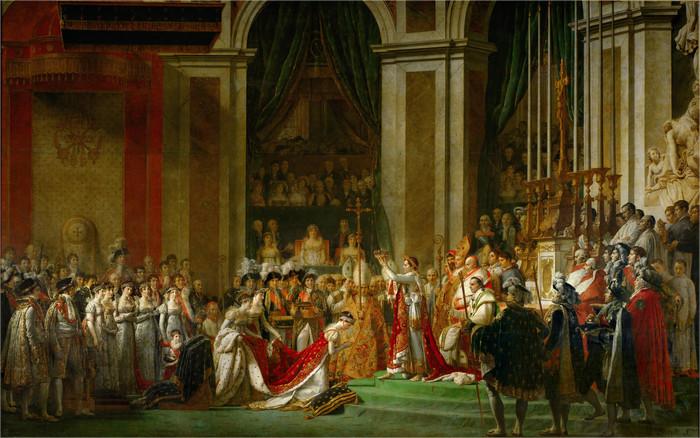
Classicism is the expression of the classicism popular in Europe in the 18th century, and they were dissatisfied with the extravagant Rococo art that served the aristocracy, and sought new themes from classical Greek and Roman art.
The development of the Classicist school
Realism, as an artistic movement, emerged at the same time as the French Revolution of 1848. The painter Courbet and the theorist Jean Fleury were its spiritual leaders.
Post-Renaissance realism
The Romantic school of painting took affirmation and praise of people's spiritual values and the struggle for individual emancipation and human rights as its ideological principles. In painting, he advocates the depiction of personality and characteristics and the expression of emotions.
Post-Renaissance Romanticism